✧
Grade selection support
We consider the application, service environment, temperature, and project standard when reviewing suitable grades.

From bars and sheets to pipes, fittings, and special alloys, Arta Steel Vira supports your purchasing and engineering teams with specification reviews, grade selection, and quote follow-up.
We review technical requirements, product form, dimensions, and delivery terms together so your quote request is clear and trackable.
We consider the application, service environment, temperature, and project standard when reviewing suitable grades.
Clarify product form, dimensions, quantity, and required documents in your quote request.
Availability, origin, and lead time are confirmed for each order based on current conditions and its specifications.
Once specifications are agreed, shipping terms are coordinated with the order size and destination.
Select a product and enter your order details in the form to request pricing and availability. Images are sized for both desktop and mobile.
Availability, origin, and lead times may change. Details are confirmed after we receive each order’s specifications.
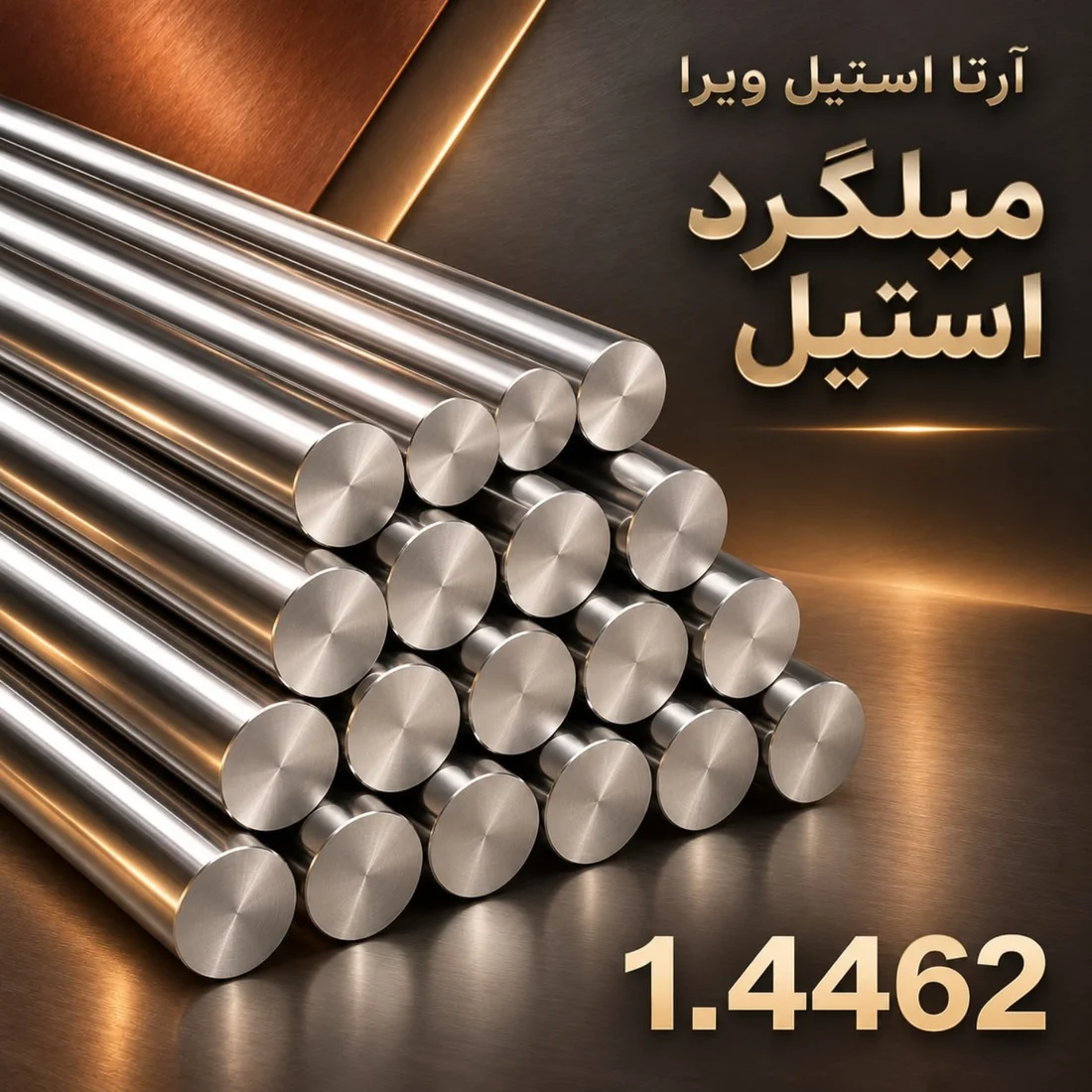
Round and hexagonal bars in general-purpose and specialty grades for component manufacturing and industrial machining.
For bar enquiries, specify cross-section, diameter, length, tolerance, surface condition, and heat treatment. Grades 304/304L, 316/316L, 321, 310S, 410/420, Duplex 2205, and 17-4PH can be reviewed against your project needs. Include the applicable standard and service conditions.

Sheets and plates for equipment, tanks, cladding, and industrial components.
Specify thickness, width, length, grade, finish, and required standard. Finishes range from industrial to decorative, depending on the application. For an accurate quote, provide sheet dimensions, quantity or weight, and required documentation.

Stainless steel coils and strip for slitting, forming, and production lines.
For coils or strip, specify thickness, width, grade, finish, approximate weight, and—if relevant—inside and outside diameters. For slit strip, include the finished width, tolerance, and edge condition. Availability and slitting are reviewed once specifications are received.
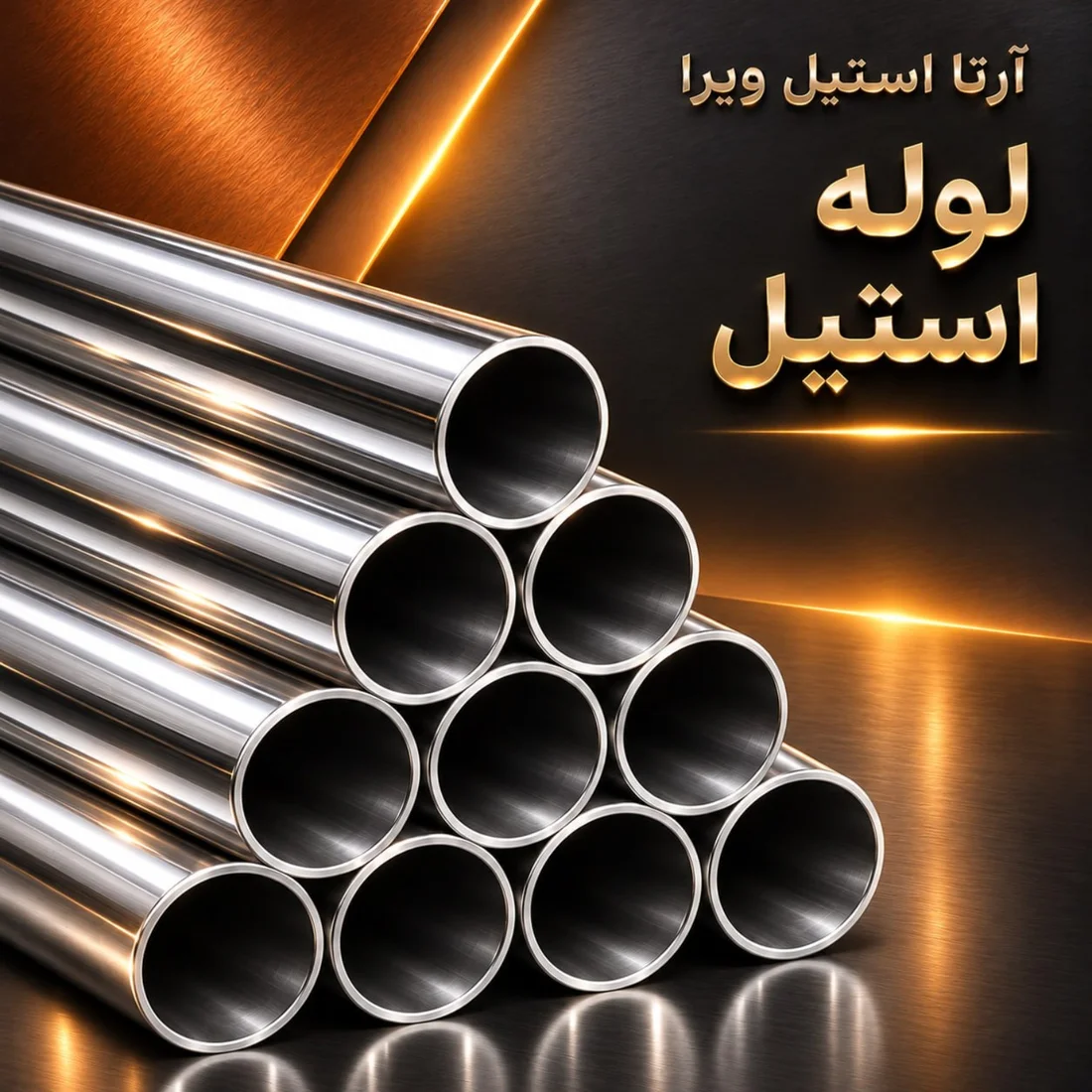
Welded and seamless pipe for process lines and industrial applications.
Provide outside diameter or nominal pipe size, wall thickness or schedule, length, manufacturing method, grade, and standard. The process medium, temperature, design pressure, and connection type also matter. Final selection should match the project drawings and engineering requirements.
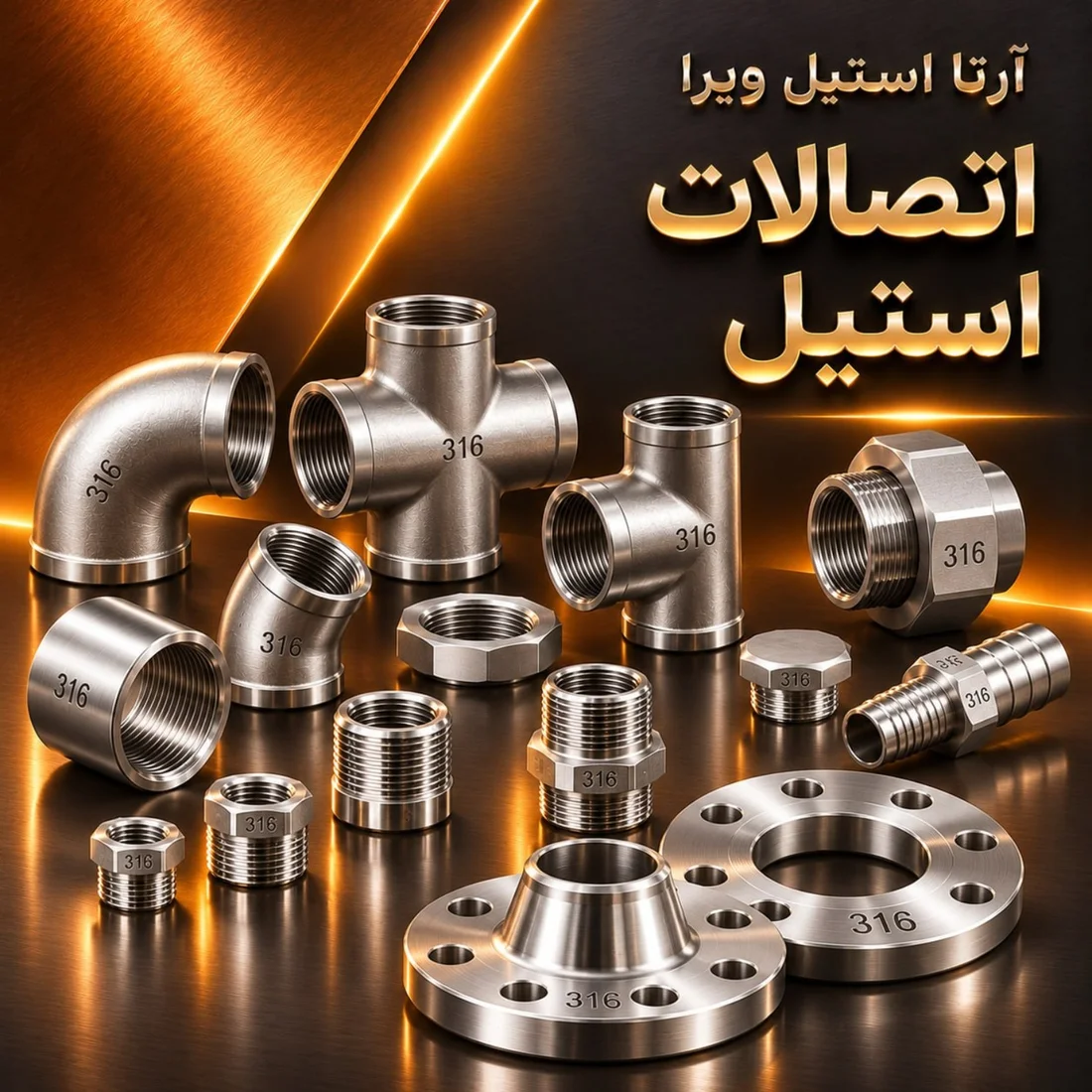
Elbows, tees, reducers, unions, and flanges in a range of sizes and connection types.
Specify component type, nominal size, grade, pressure class or thickness, connection type, and standard. For flanges, include class, facing, and bolt-hole pattern; for fittings, specify angle and end type. A photo or technical drawing can clarify the requirement.
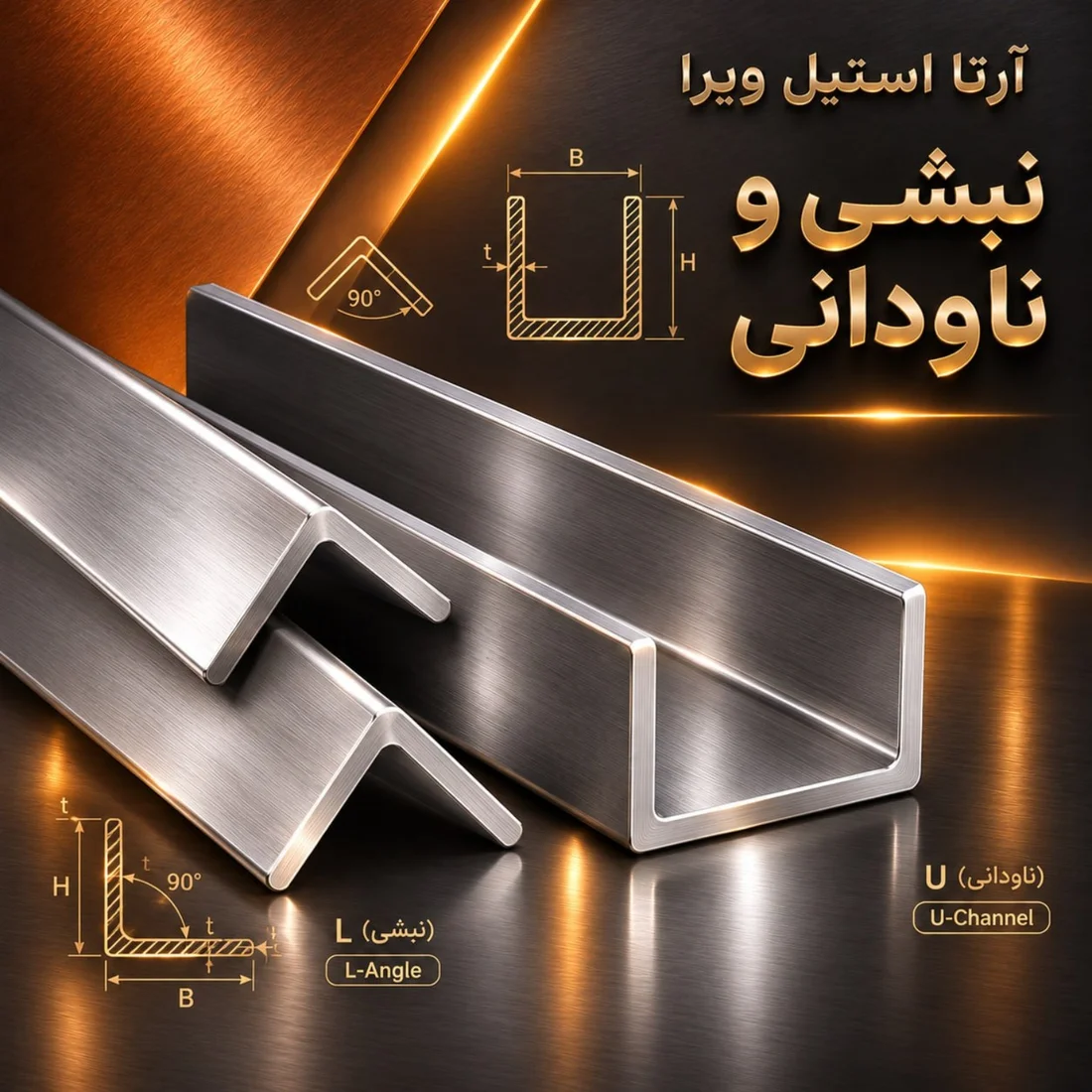
L- and U-sections for structures, frames, supports, and industrial equipment.
For angles, provide leg dimensions and thickness. For channels, provide width, web height, thickness, and length. Grade, surface condition, manufacturing method, and tolerance are also important. Attach a photo or dimensional drawing for non-standard sections.

Square and rectangular sections for structures, equipment, and architectural applications.
Specify outside dimensions, wall thickness, stock length, grade, finish, and required quantity. For critical applications, include the standard, welded or seamless construction, and quality documents.
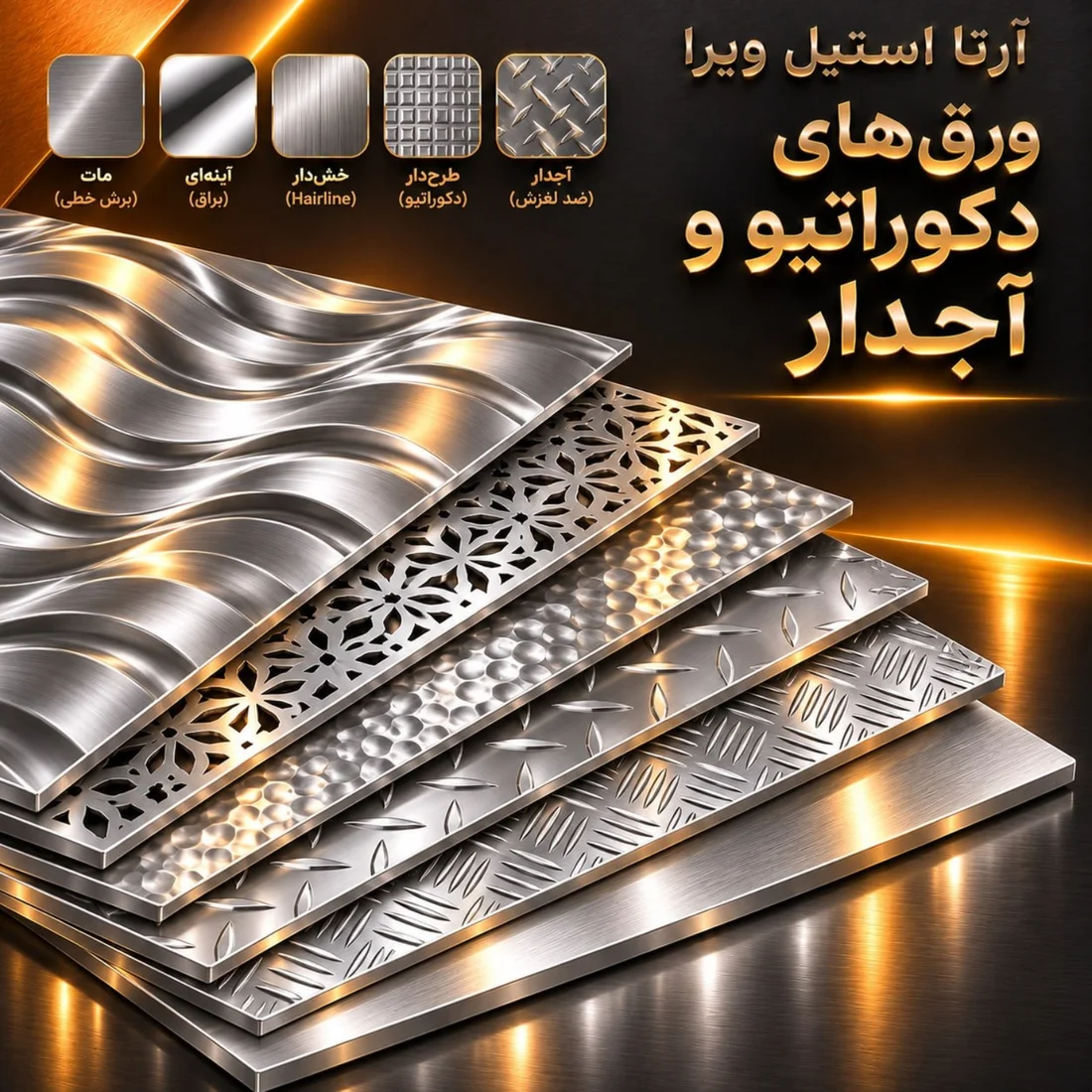
Patterned sheets for anti-slip surfaces, industrial cladding, and interior design.
Confirm the pattern, base thickness, dimensions, grade, and finish before ordering. The raised pattern and end use affect selection and pricing; for architectural projects, send a sample or image of the requested pattern.
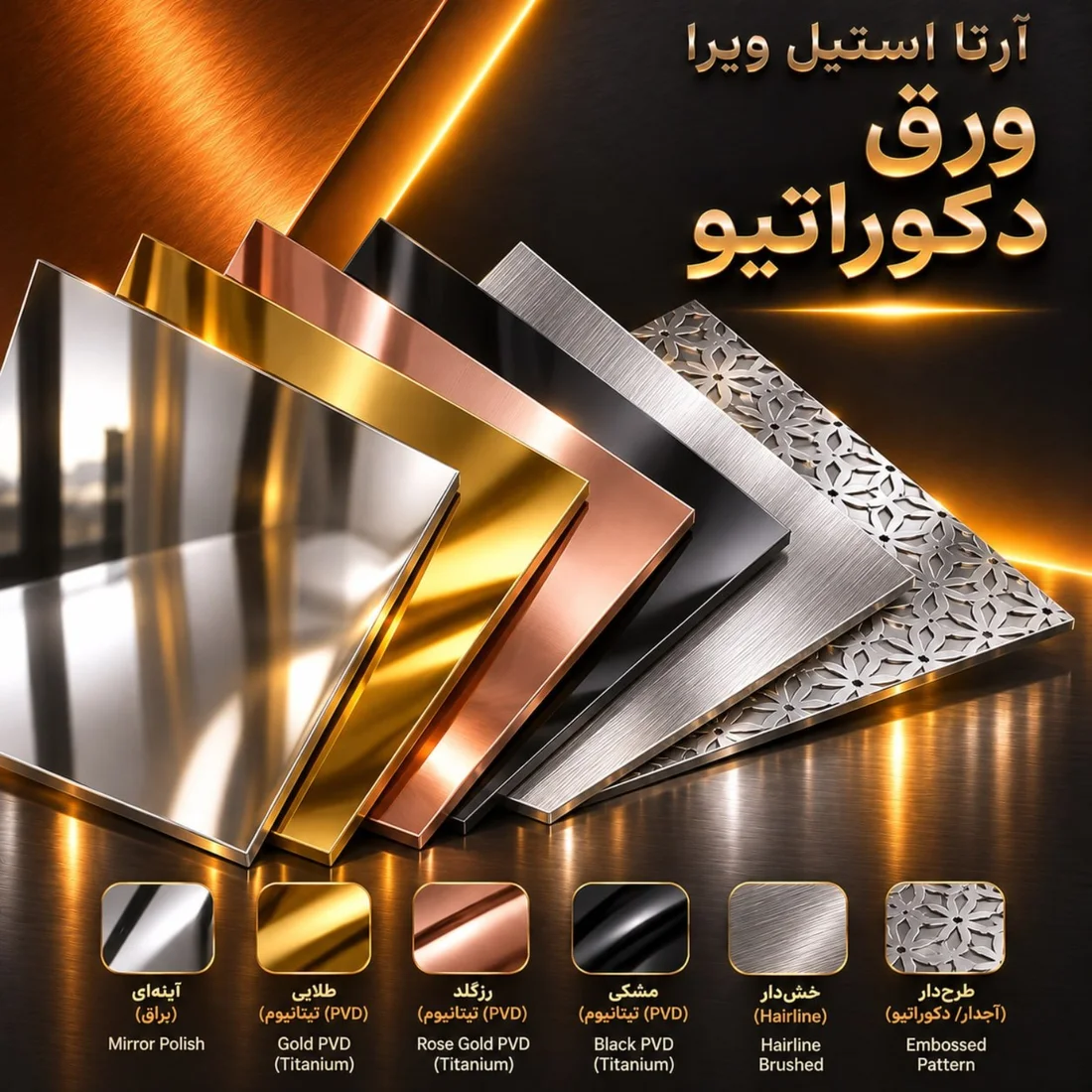
Mirror, brushed, patterned, and coloured finishes for architectural spaces.
Specify finish, colour or coating, base grade, thickness, dimensions, and installation conditions. PVD colour coatings are separate from the base grade; assess compatibility with the environment, cleaning agents, and contact conditions.
These guides help clarify order requirements. Confirm the final grade and standard against technical documents and actual project conditions.
Compare grades based on the environment, process medium, temperature, and fabrication requirements. A grade name alone does not guarantee performance.
Grade 304 is commonly used in general applications and ordinary environments. Thanks to its alloy composition, grade 316 may be a better choice in some corrosive environments, particularly where chlorides are present. Performance still depends on concentration, temperature, exposure time, design, and maintenance.
For selection, give a materials engineer or project specialist the process medium and impurities, operating temperature, chloride exposure, welding conditions, cleaning method, and design standard. Low-carbon, stabilized, or Duplex grades may also need separate review.
For a quote: Provide the exact grade, product form, dimensions, service conditions, and required certificates.
Clear specifications help us check availability and prepare a technical and commercial offer more quickly and accurately.
Include the product name and form; grade and standard; dimensions and tolerances; quantity and unit; surface condition or heat treatment; application and service conditions; destination and required timing; and any required documents or inspections.
If some details are unavailable, send a drawing, photo, previous sample, or equipment specification and clearly identify what is unknown. A grade or availability is not confirmed until documents are matched and the order is approved.
Note: Price, availability, origin, and delivery time must be confirmed for each enquiry on the day it is reviewed.
Diameter and wall thickness are only part of the specification. Construction type, standard, and service conditions also need to be clear.
Specify welded or seamless construction, outside diameter or nominal pipe size, wall thickness or schedule, stock length, grade, and manufacturing standard. Include end type, tolerances, tests, and material certificates as required by the project.
For elbows, tees, reducers, and flanges, specify size, connection type, schedule or class, angle, and component standard. Pressure and temperature design criteria must be confirmed by the project engineer; this guide does not replace engineering calculations or approval.
Surface finish, colour coating, and base grade are separate specifications and should be stated separately in an order.
Mirror polish has high reflectivity; brushed or Hairline finishes show uniform linear grain; tread plate has a raised pattern; and PVD can provide colours such as gold, rose gold, or black. These descriptions alone do not identify the base grade or predict service life.
Consider the installation location, humidity and contaminants, hand contact, cleaning method, grain direction, and colour consistency across sheets. For volume orders or façades, approve a sample and confirm the grade and coating with the manufacturer’s guidance.
This list is for initial reference. Confirm the final grade against the design standard and actual service conditions.
Family names do not replace the exact alloy designation or purchasing standard. Provide the exact code and required documents when requesting a quote.
Material selection depends on the process medium, temperature, pressure, corrosive environment, and design requirements.
With extensive steel-trade experience, Arta Steel Vira supports industrial customers in sourcing stainless steel and special alloys—from specification review and grade selection to availability, origin, and delivery coordination.
Depending on the product and order, sourcing options from India, China, and Europe may be reviewed. Each offer is confirmed after enquiry and review of project requirements.
Team roles and names follow the company’s published organization chart. Photos are shown only where they were available on the original site.


Clear information from the start makes review and follow-up easier.
Provide the product, grade, dimensions, quantity, and destination.
The order requirements and sourcing options are reviewed.
Price, terms, origin, and delivery time are provided.
Once agreed, final details and shipment are coordinated.
Call, email, or visit us using the contact details below. Our team can help with product enquiries and order follow-up.
For a product enquiry, enter the specifications in the form and prepare a message for the sales team.
Provide the product, grade or standard, dimensions, quantity, and destination. If you are unsure of the grade, describe the application and service conditions.
Availability and lead times change. Request current information for each order.
Review corrosion conditions, temperature, pressure, and the design standard with the project engineer or technical lead. Our sales team can help match specifications.
Depending on the product and specifications, sourcing from selected origins in India, China, and Europe may be reviewed. The origin is stated in the offer for that order.